
| How much is a Seattle dog bite claim worth? Washington’s strict liability law, RCW 16.08.040, generally holds a dog’s owner responsible for a bite regardless of the dog’s past behavior. In a Seattle claim, this can mean recovering medical costs, lost wages, and pain and suffering — though the exact value depends on the injury and the insurance coverage available. Cases involving Seattle Animal Shelter‘s dangerous-dog process often need deeper investigation before a fair number comes into view. A trusted Seattle personal injury attorney can review your case, identify the damages you may be entitled to recover, and guide you through the claims process under Washington law. |
After a dog bite, the physical pain is only part of it. There’s the phone call to animal control, the insurance company that suddenly stops returning calls, and the question of who actually pays for the stitches. A Seattle dog bite lawyer steps in to handle that communication, prove liability, and pursue the compensation you need for medical care and lost wages.
At Bernard Law Group, our legal team understands what Seattle dog bite victims are up against:
30+ years of local experience. Led by founding attorney Kirk Bernard, our injury attorneys have helped injured Seattle residents navigate Washington’s insurance laws and court system for more than 30 years.
Over $500 million recovered. Our firm has secured over $500 million in total settlements and verdicts for our clients. Past results depend on the unique facts of each case and do not guarantee a future outcome.
Real client experiences. See client feedback and testimonials from the people we’ve represented.
Every kind of injury claim. From dog bites to premises liability and wrongful death, we handle the full range of Washington injury claims with the experience and resources these cases demand.
True no-win, no-fee promise. We work strictly on a contingency basis. You pay nothing up front, and we collect a fee only if we recover money for you.
Don’t face the insurance company alone. Contact Bernard Law Group to schedule a free, confidential consultation — or learn more about founder Kirk Bernard’s awards and affiliations.
What Should You Do Immediately After a Dog Bite in Seattle?
Immediately after a dog bite in Seattle, you should seek prompt medical treatment, report the attack to animal control, and collect critical evidence from the scene. Taking these steps in the first 24 hours directly protects your health and secures the evidence needed for your legal rights.
- Report the bite to Seattle Animal Shelter: Call the Seattle Animal Shelter’s animal control line at (206) 386-7387 as soon as possible. This isn’t just paperwork. Public Health – Seattle & King County requires a 10-day quarantine and observation period for the dog after a bite, and that record often becomes central evidence later.
- Get screened for injury and infection risk: Even a bite that looks minor can carry infection risk. For deep punctures, facial injuries, or bites to a child, Harborview Medical Center in First Hill is the region’s only Level I trauma center and is often where the more severe cases end up.
- Document Seattle-specific details: Note whether the bite happened in an off-leash area, a shared yard, or on a sidewalk, and photograph any “beware of dog” signage, fencing, or gates that speak to whether the owner knew the dog could be a risk.
- Preserve evidence before it’s lost: Photograph the wound, the location, and the dog; collect the owner’s name and contact information; and get contact details for any witnesses nearby.
What Actually Happens After a Dog Bite in Seattle?
After a dog bite in Seattle, two distinct and fast-moving timelines immediately begin running at the same time. You will simultaneously navigate a high-pressure corporate insurance process on one side and a strict city animal control investigation on the other.
The Insurance Blitz: Because most dog bite claims are paid through a homeowner’s or renter’s policy, the adjuster may call within a day or two — sometimes with a quick, low offer or a request for a recorded statement before you know the full extent of your injury. It’s reasonable to share only basic facts and decline a recorded statement until you’ve spoken with an attorney.
The Animal Control Clock: Public Health – Seattle & King County requires the dog to be quarantined and observed for 10 days after the bite. If Seattle Animal Shelter opens a dangerous-dog investigation, that file runs on its own timeline, separate from, and often faster-moving than, any police report.
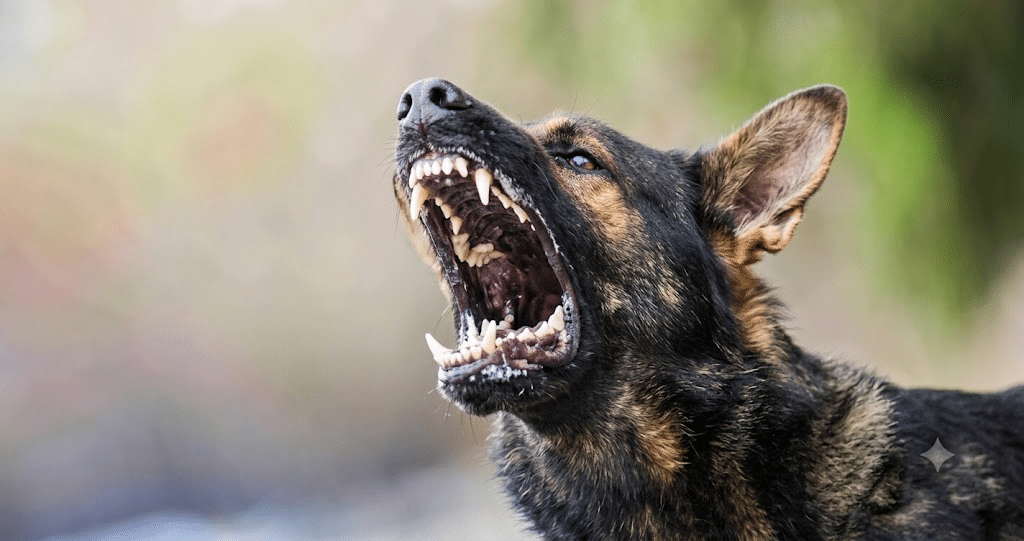
Where Do Dog Bite Injuries Happen in Seattle?
Dog bite injuries in Seattle occur most frequently in shared public spaces, dense residential neighborhoods, and along public walkways. These attacks typically stem from unexpected encounters, loose animals, or improper restraint in areas where people and pets frequently cross paths.
- Off-Leash Areas: Locations like the Magnuson Park off-leash area and Golden Gardens Park, where dogs interact without a leash and disputes over control can escalate quickly.
- Rental Properties and Shared Yards: Particularly in denser neighborhoods like Capitol Hill and the Central District, where a delivery driver, neighbor, or guest may not know a dog is on the property.
- Sidewalks and Front Yards: In residential areas, where an unsecured gate or a dog that gets loose from a yard is a common thread in the claims we see.
What Types of Injuries Are Common in Seattle Dog Bite Cases?
Common Seattle dog bite injuries range from deep physical lacerations and nerve damage to high infection risks and long-term psychological trauma. How severely you are hurt ultimately dictates the length of your medical treatment plan and directly impacts the overall value of your legal claim.
- Puncture Wounds and Deep Lacerations: Even a single bite can drive bacteria deep into tissue, carrying a real risk of infection if not treated promptly.
- Facial and Scalp Injuries in Children: Because of the height difference between a dog and a young child, facial bites are disproportionately common in pediatric cases and can require reconstructive or scar-revision surgery.
- Nerve and Tendon Damage: Bites to the hands and fingers can sever tendons or nerves, sometimes causing lasting loss of function or sensation.
- Infection and Rabies Risk Assessment: Beyond the wound itself, Public Health – Seattle & King County evaluates rabies exposure risk as part of the required quarantine process.
- Psychological Trauma: A serious dog attack can leave a lasting fear of dogs, particularly in children, alongside the physical injury.
Who Is Liable for a Dog Bite in Washington?
Under RCW 16.08.040, a dog’s owner is liable for a bite if the injured person was in a public place, or lawfully on private property, when it happened regardless of whether the dog had ever bitten anyone before. Depending on how the bite happened, more than one party may share responsibility:
- The Dog’s Owner: The party most often held liable, regardless of the dog’s prior history.
- A Landlord or Property Manager: May share liability if they knew a dangerous dog was on the property and failed to act.
- A Dog-Walking, Pet-Sitting, or Boarding Service: May be liable if the bite happened while the dog was in a paid caretaker’s custody rather than the owner’s.
- An Employer: Potentially responsible if an employee’s dog, such as a guard dog kept at a business, causes an injury on the job.
- That said, strict liability isn’t automatic in every scenario. Washington law recognizes two main complete defenses:
- Trespassing: If you were on the property without permission, or the property was fenced or clearly posted, the strict liability rule may not apply.
- Provocation: If the injured person provoked the dog, that can serve as a full defense to the claim.
Insurance adjusters often raise both defenses, even when the facts are thin, so how the incident is documented matters.
What If the Dog Has Been Labeled “Dangerous” in Seattle?
Washington state law (under RCW 16.08.070 and RCW 16.08.080) lets a city classify a dog as “dangerous” or “potentially dangerous,” requiring the owner to carry at least $250,000 in liability coverage and keep the dog muzzled and enclosed. Seattle has its own version of this rule under Seattle Municipal Code Chapter 9.25, which defines a “dangerous animal” and makes it unlawful for an owner to permit a dog to bite a person. A dangerous dog designation can work in an injured person’s favor—it’s a record showing the city itself found the dog to be a risk—though the process, and any appeal, runs through city channels rather than a standard courtroom.
Attorney Insight
Most people assume Washington’s strict liability law makes every dog bite case simple to win. It’s true you don’t need to prove the owner knew the dog was dangerous, but the law doesn’t remove every defense — trespass and provocation still apply, and adjusters lean on both even when the underlying facts are weak. Seattle adds a wrinkle state law doesn’t: when Seattle Animal Shelter labels a dog “dangerous” under SMC 9.25.020, the owner’s appeal goes to the City’s Office of Hearing Examiner rather than to municipal or district court, which changes both the timeline and which records end up mattering most. Attorneys familiar with these cases typically request the animal control file early, since it isn’t always kept as long as a police report would be.
Why Is a Seattle Dog Bite Claim More Legally Complex Than It Looks?
While Washington strictly holds owners accountable for dog bites, securing fair compensation requires navigating tricky legal defenses, strict filing deadlines, and multiple insurance policies.
- Strict liability with narrow defenses. Trespass and provocation are complete defenses, and insurers frequently raise them even on thin facts.
- Layered insurance coverage. Homeowner’s and renter’s policies sometimes exclude certain dog breeds or cap payouts, which can limit what’s actually available regardless of the claim’s value.
- Separate city and state records. If Seattle Animal Shelter has opened a dangerous-dog investigation, those records may need to be requested separately from any police report, and on a different timeline.
- Specialist input for severe injuries. Facial injuries, nerve damage, and pediatric bites often need a plastic surgeon or other specialist to fairly project long-term costs.
- Multiple potentially liable parties. A landlord, property manager, or dog-walking service who knew about a dog’s history can add additional parties to investigate.
- A filing window that feels shorter than it looks. Washington’s three-year deadline under RCW 4.16.080 can shrink in practice once delays in getting medical or animal control records are factored in.
What Damages May Be Available After a Seattle Dog Bite?
Victims of a dog bite in Seattle can recover compensation for both direct financial losses and the personal, physical impact of the attack. Because Washington law generally does not allow punitive damages to punish dog owners, your payout focuses entirely on restoring your actual financial, physical, and emotional losses.
- Medical Expenses: Current and future costs, including any reconstructive or scar-revision care.
- Lost Wages and Diminished Earning Capacity: Income missed while recovering, and the long-term impact if the injury affects your ability to work.
- Pain and Suffering: The physical discomfort and pain caused by the injury itself.
- Scarring and Disfigurement: Permanent marks resulting from the bite or from any related surgery.
- Emotional Distress: Anxiety, fear, or a lasting wariness of dogs, particularly common after a serious attack on a child.
How Long Do You Have to File a Dog Bite Claim in Washington?
Washington gives injured people three years from the date of the bite to file a lawsuit, under RCW 4.16.080. Missing that deadline typically means losing the right to recover compensation at all.
Tolling for Injured Minors: If the injured person was under 18 at the time of the bite, the three-year clock generally doesn’t start until their 18th birthday.
The Discovery Rule: For injuries that aren’t immediately obvious, such as nerve damage that surfaces weeks later, the deadline may run from when the injury was, or reasonably should have been, discovered.
Pitfall Alert: Animal Control Records Disappear Long Before Your Filing Deadline
Even though you generally have three years to bring a lawsuit, the animal control record that documents a dog’s history can become unavailable much sooner. If a bite isn’t reported to Seattle Animal Shelter right away, the dog may be rehomed, and the underlying investigation file isn’t necessarily kept as long as a police report would be. Once that record is gone, proving the dog’s history, rather than just the fact of the bite, becomes considerably harder, regardless of how much time remains on the statute of limitations.
Why Do You Need a Dog Bite Lawyer in Seattle?
You’re not required to have one, but insurers handle dog bite claims differently than car accident claims. Because most claims are paid through a homeowner’s or renter’s policy, the adjuster’s job is to protect that policy and not to make sure you’re made whole. A dog bite lawyer levels the playing field by:
- Requesting Animal Control Records Directly: We obtain the Seattle Animal Shelter’s bite report and any dangerous-dog investigation file before it ages out.
- Managing Layered Insurance Policies: We identify which policy — homeowner’s, renter’s, or umbrella coverage — actually applies, and whether coverage limits or breed exclusions affect the claim.
- Building the Medical Record: We work with treating physicians to connect the injury to the bite and document its full cost, not just what’s billed today.
Opponent Playbook: How Insurers Push Back on Seattle Dog Bite Claims
Insurance adjusters handling dog bite claims often argue that the injured person provoked the dog, was trespassing, or is exaggerating the injury’s severity, even when the facts are thin. It’s also common for an adjuster to request a recorded statement early or offer a quick settlement before the full extent of an injury, like nerve damage that shows up weeks later, is known. A dog bite lawyer counters this by securing the animal control file, medical records, and witness accounts before that evidence can be lost or reframed.
How Does Bernard Law Group Prepare a Seattle Dog Bite Case for Trial?
Most dog bite claims settle before a lawsuit is ever filed, but we prepare every case as though it might not. Our approach rests on three pillars:
- Evidence Preservation: We request the Seattle Animal Shelter’s bite report and any dangerous-dog investigation file early, before records are purged or a dog is rehomed.
- Expert Coordination: For injuries involving scarring, nerve damage, or a child, we work with treating physicians and, when needed, plastic surgeons or life-care planners to document the injury’s full cost.
- Trial Readiness: If a fair settlement isn’t on the table, we prepare the case for King County Superior Court the same way we would any other personal injury claim, so the option to go to trial is real.
What Does the Seattle Dog Bite Claim Process Look Like?
The Seattle dog bite claim process follows a structured path from immediate evidence gathering to formal negotiation or court litigation. Each step ensures that medical records, city animal control findings, and insurance coverages are fully aligned to build a strong case for compensation.
- Free Consultation and Case Review: We go over what happened, your injuries, and whether Seattle Animal Shelter or Public Health has already opened a file.
- Animal Control and Medical Records Request: We request the bite report, any dangerous-dog investigation, and your treatment records.
- Owner and Insurance Identification: We identify the dog’s owner and confirm which homeowner’s, renter’s, or other policy applies.
- Evidence Preservation: We document the scene, gather witness statements, and preserve records before they’re lost.
- Damages Assessment: We work with your medical providers to project the current and future cost of your injury.
- Demand and Negotiation: We send a formal demand to the insurer and negotiate on your behalf.
- Litigation, if Necessary: If the insurer won’t offer a fair settlement, we file suit in King County Superior Court and prepare for trial.
Why the Recovery Process Requires a Deliberate Approach
Settling too quickly is a common mistake after a dog bite. Insurers spend the early weeks of a claim looking for ways to raise a trespass or provocation defense, or to settle before the full extent of an injury is known. Finishing your medical treatment while your legal team gathers evidence helps ensure a low early offer doesn’t define your entire recovery.
How Do You Choose the Right Dog Bite Lawyer in Seattle?
Choosing the right Seattle dog bite lawyer requires finding an attorney with deep experience in local municipal animal laws and a proven track record against insurance companies.
Does the firm handle dog bite claims specifically?
Ask whether they regularly request animal control records directly, rather than relying only on a police report. Dog bite claims run through different insurance and city-ordinance channels than a typical car accident case, so specific experience with them matters.
Do they understand Seattle’s local process?
A lawyer familiar with how Seattle Animal Shelter investigates bites, and how an appeal to the City’s Office of Hearing Examiner works, brings a real advantage over a firm that only handles cases elsewhere in the state.
Are they recognized by independent sources, not just their own marketing?
Bernard Law Group’s attorneys are rated by AVVO and recognized by Super Lawyers of America — independent ratings rather than the firm’s own claims about itself. Bernard Law Group has represented Seattle injury victims since 1981, offers free consultations, and only gets paid if we recover money for you.
What Do Former Clients Say About Bernard Law Group?
The Bernard Law Group shares feedback from past clients to show what you can expect from our communication, support, and legal process.
“As a result of the settlement that Bernard Law Group won for me, I’m able to put myself. I’m very grateful for the honest, hardworking support of my attorney, Sarah Freedman. Thank you, Levine Law.”
- Allison Knudsonz
“The attorneys at Levine Law did an excellent job helping me navigate my accident in a clear, professional, and personal manner. Special thanks to the care that Patrick Barnes, Kristi Driscoll, Sam Armijo, and Jordan Levine did with my case.”
- Joseph Hurtado


Case Results Reflecting Washington Personal Injury Experience
Bernard Law Group has recovered over $500 million in verdicts and settlements across our personal injury practice, with a 98% case success rate and over 10,000 clients helped.
- $27 Million — Record verdict, truck accident case.
- $18.5 Million — Record settlement, motorcycle accident case.
- $12.5 Million — Settlement, bus accident case.
Disclaimer: Past financial recoveries do not guarantee or predict a similar outcome for your case. Every claim involves its own facts, injuries, and insurance coverage.
Areas We Serve
Bernard Law Group proudly represents dog bite victims and injured individuals throughout Washington State. From the Puget Sound region to Eastern Washington, our legal team is available 24/7 to help you secure full compensation:
- Seattle
- Bellevue
- Bellingham
- Everett
- Federal Way
- Kent
- Kirkland
- Olympia
- Redmond
- Renton
- Spokane
- Tacoma
- Vancouver
- Wenatchee
- Yakima
Helpful Local Resources
Report a Bite / Animal Control
- Seattle Animal Shelter – Animal Control: (206) 386-7387, 2061 15th Ave W, Seattle, WA 98119
Medical Care
- Harborview Medical Center: 325 9th Ave, Seattle, WA 98104 — Washington’s only Level I trauma center
Public Health
- Public Health – Seattle & King County: Animal Bites & Rabies: (206) 296-4774
Courts and City Agencies
- King County Superior Court: 516 Third Avenue, Seattle, WA 98104
- Office of Hearing Examiner: 700 5th Ave, Suite 4000, Seattle, WA 98104 — (206) 684-0521
Disclaimer: We don’t endorse or profit from these resources; they’re provided for informational purposes only.
Frequently Asked Questions
Does homeowner’s insurance cover dog bite claims in Washington?
Most dog bite claims in Seattle are paid through the dog owner’s homeowner’s or renter’s insurance policy, though some insurers exclude certain breeds or cap payouts. RCW 16.08.040 makes the owner liable regardless of the policy’s terms, but what the insurer actually pays can depend on coverage limits.
Can I file a claim if I was bitten in a Seattle park?
Yes. Public parks count as a “public place” under RCW 16.08.040, so the strict liability rule generally applies the same way it would on a sidewalk or in a yard, provided you weren’t trespassing or provoking the dog.
Does the dog’s breed affect my Seattle dog bite claim?
Not for liability purposes. Seattle Municipal Code Chapter 9.25 states that a dog’s breed isn’t a factor in whether it’s classified as dangerous, and RCW 16.08.040 doesn’t single out any breed either. Liability turns on what happened during the bite, not the type of dog involved.
Does Washington’s dog bite law apply to police dogs or service animals?
Not entirely. RCW 16.08.040 specifically exempts the lawful use of a police dog, as defined under RCW 4.24.410. Bites involving other service or working animals aren’t automatically exempt, but the facts of how and why the bite happened matter more than they would in an ordinary pet case.
What if I was bitten while delivering mail or a package in Seattle?
Postal workers, delivery drivers, and utility workers are bitten fairly often, and Washington’s strict liability rule still generally applies since they’re lawfully on the property. Workers’ compensation may also come into play alongside a claim against the dog owner, so both angles are worth reviewing.
Start Your Free Case Assessment Today
Medical bills, missed work, and pressure from an insurance company shouldn’t stop you from getting help. At Bernard Law Group, we work on a contingency fee basis — you pay nothing upfront, and we only get paid if we win your case.
Reach out to our Seattle headquarters to discuss your options, or contact us online to map out a clear path forward.
Headquarters: 900 Aurora Ave N, Suite 100, Seattle, WA 98109 Phone: (206) 984-3974 — free consultation, available 24/7
Attorney Review & Office Information
This page is authored and reviewed by the legal team at Bernard Law Group to ensure alignment with current Washington state statutes and Seattle municipal code. Every injury claim accepted by our firm is managed by dedicated personal injury attorneys who maintain active licenses in good standing with the Washington State Bar Association.
Bernard Law Group — Seattle Office 900 Aurora Ave N, Suite 100 Seattle, WA 98109 Phone: (206) 984-3974 Availability: Free case evaluations, 24 hours a day, 7 days a week.
Other Cases We Take On
Beyond dog bites, Bernard Law Group helps injured Washington residents across a range of practice areas:

